Nervous System Reboot: The Missing Piece in Anxiety, Depression, and Trauma Recovery
You can understand your thinking. You can even change your thinking. But if your nervous system is still stuck in fight, flight, or shutdown, none of it holds — the insight doesn’t translate into how you actually feel day to day.
That’s what Nervous System Reboot is built to fix.
What You’re Actually Getting
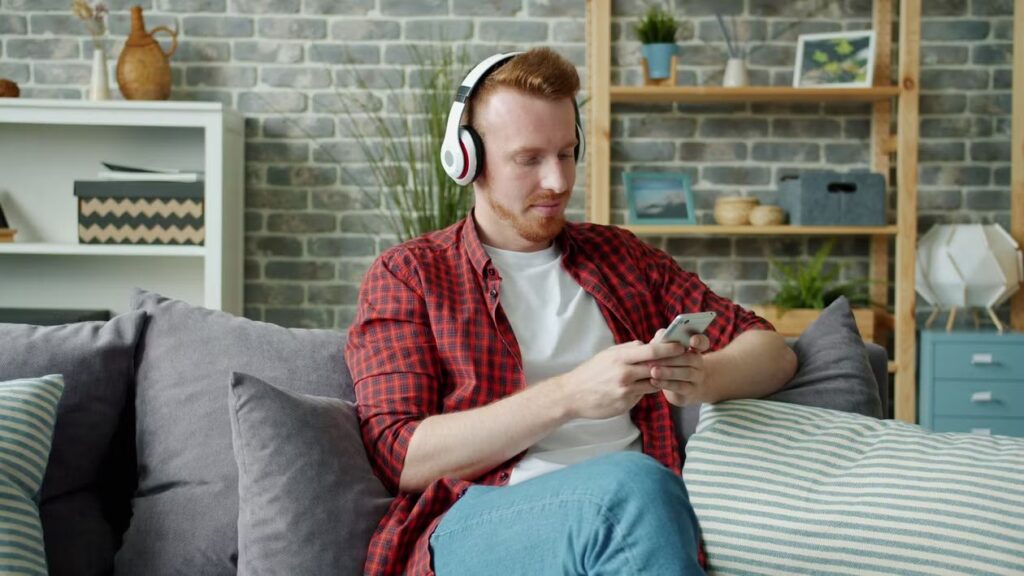
Let’s start with the plain version: Nervous System Reboot is a listening program. You put on headphones and listen to specially filtered music, on a set schedule, through an app. That’s the whole mechanism — no talking, no exercises during the listening itself.
What that listening does is the part worth explaining clearly, because “nervous system regulation” doesn’t mean much until you see it in action.
Think of your nervous system like a smoke detector. For most people, it works the way it should — quiet when things are calm, alert when there’s real danger. But after years of stress, anxiety, or difficult experiences, that detector can get miscalibrated — so sensitive it goes off from burnt toast. It’s not broken, exactly, but it’s lost the ability to tell the difference between “this is actually dangerous” and “this is just everyday life.” Some people’s detectors get stuck in that overly-sensitive alarm state — irritable, unable to relax, quick to snap into fight-or-flight. Others get stuck in the opposite: the detector shuts off entirely, showing up as low energy, disconnection, or depression.
Here’s the part that surprises most people: your nervous system reads “safety” and “danger” mostly through tone, pacing, and pitch — the same way you can tell if a friend is calm or upset just from how their voice sounds, without them saying a word. The filtered music in Nervous System Reboot uses those same cues. As you listen, it retrains your nervous system to actually pick back up on the “you’re safe” signals it’s been tuning out — recalibrating the detector, essentially, rather than just muting it or pushing through it.
Here’s an important expectation to set: with SSP especially, you generally won’t feel much of anything while you’re actually listening — no in-the-moment wave of calm. (RRP is a bit of an exception; some people notice more in the moment there.) That’s normal, not a sign it isn’t working. Think of it like braces — you don’t put them on and see straight teeth the next day. The realignment happens gradually, in the background, over weeks of small adjustments you can’t feel one by one. Nervous System Reboot works the same way: the recalibration is happening whether or not you notice it during a session.
What you will notice, over time, is your day-to-day baseline shifting — the anxiety, sleep trouble, irritability, or shutdown you’ve been living with starting to ease, because your nervous system isn’t stuck sounding a false alarm anymore.
It’s powered by the Safe & Sound Protocol (SSP) and Rest & Restore Protocol (RRP) — two evidence-based listening programs built on decades of research into the vagus nerve and nervous system, developed under Polyvagal Theory.
Why We Lead With This
Our full approach combines three things — CBT (the mind), Somatic Therapy (the body), and Nervous System Regulation (the connection between them). We started with CBT alone. It’s what most coaching and therapy relies on, and it’s genuinely effective.
But we found that a meaningful number of clients weren’t getting the results we knew were possible — until their nervous system was regulated enough for the CBT work to actually stick. Once we added nervous-system work, the improvement was dramatic. It’s now one of the most consistently effective parts of what we offer.
That’s why, for many clients, we introduce this program early — not as an add-on, but as the foundation everything else is built on.
What to Expect
- Group Introduction Class — $185. This is where it starts — and it’s a class, not a therapy session. It runs over Zoom, camera on or off, your choice. Deseree teaches how the nervous system actually works — the different states (dorsal, sympathetic, ventral vagal) and how each shows up in daily life — and guides the group through the Autonomic Ladder exercise (based on the work of Deb Dana) so you understand your own patterns before you begin. There’s an optional discussion where people can share what each state looks like for them personally, as much or as little as they’re comfortable with — but this isn’t the place for working through individual trauma or specific personal issues; it’s education and self-understanding, preparing you for the protocol itself. Taking it as a household? Each additional member gets 30% off — for a family of four, that’s $185 + 3 × $129.50 = $573.50 total.
- Monthly Access — $65/month (+$15/month per additional household member). This is not a separate or optional add-on — it’s how you access the actual audio and complete the protocol. The class teaches you how your nervous system works; the subscription is what lets you actually do the work.
- The Protocol — most clients begin with SSP; many continue on to RRP afterward since it targets different aspects of regulation. Once you’ve completed the $185 class, you won’t need to pay it again — you’re free to pause, cancel, or resume the monthly subscription anytime, whether you’re taking a break, finished for now, or come back months later wanting a refresher. Many clients do exactly this: complete what they need, stop the subscription, then restart it later when life brings up something new.
- How it fits with coaching — this runs alongside your CBT and somatic work, not instead of it. Clients consistently tell us it’s what made the rest of the program click.
What You’ll Need
- A phone or tablet (iOS or Android) able to run the Unyte app — this is what delivers the protocol audio.
- Over-ear, high-quality headphones. These aren’t optional — the protocol is calibrated specifically for over-ear headphone listening, so the right pair matters for getting real benefit from it.
How Much Listening Does It Take?
Each protocol (SSP or RRP) is 5 hours of core listening. But most clients get the most benefit somewhere in the 5-15 hour range for their first round — which often includes relistening to certain sections. We want to be upfront about this rather than let anyone assume 5 hours and done; it’s genuinely common, and often ideal, to listen more than the minimum.
Most people listen for about 15 minutes a day, which typically works out to somewhere between 6 and 18 weeks. That said, there’s no fixed timeline — it depends entirely on your own nervous system and pace. Some people can only comfortably listen for a couple of minutes at a time when they start, and that’s completely normal; it just means it takes a bit longer to get through. Deseree will help you find the right pace as you go.
What Clients Say
“Overall I feel calmer. I’m not as overstimulated by the little kid chaos. I don’t feel brain fog. Everyday tasks like grocery shopping and meal planning are not overwhelming. I have more patience.” — Anonymous
“I am way calmer and less sensitive… The best part is that my husband who has never been interested in trying anything therapy related has started the SSP since he has seen the positive changes in my system.” — J.M.
“My experience with RRP was very positive. It really helped me to relax and wind down… it helped so much with sleep… it’s been about a year and I still use the tools I learned.” — Mary M.
“…the tools, the music therapy, which I highly recommend, has been great… I’m so thankful to Jehovah for this awesome group of brothers and sisters and the program.” — G.R.
Ready to Start?
There’s just two things to do:
- Schedule your Introduction Class here.
- Subscribe to access the music.
Frequently Asked Questions
Is the $185 a one-time cost, or is there more to it? The $185 covers your Group Introduction Class, where you’ll learn how your nervous system works and complete the Autonomic Ladder exercise — and it’s a one-time cost, not something you pay each time you use the program. To actually listen to the protocol audio, you’ll need the monthly subscription ($65/month, +$15/month per additional household member), which delivers the music itself.
What happens in the $185 class — will I have to talk about my own struggles? Only as much as you want to. It’s structured as education, not therapy — Deseree teaches how the nervous system works in general, and everyone works through the Autonomic Ladder exercise to understand their own patterns. There’s an optional discussion where people can share what different states look like for them personally, but no one is asked to get into specifics about their own trauma or struggles. Camera on or off, your choice.
Can I stop and restart later? Yes. Once you’ve done the $185 intro session, that’s covered for good — you can pause, cancel, or resume the monthly subscription anytime. Many clients complete what they need, stop the subscription, and pick it back up months or years later if something in life brings up a need for it again, without paying the intro fee a second time.
Is there research behind SSP and RRP? Yes — SSP and RRP were developed from decades of research into the vagus nerve and polyvagal theory, the same science behind why nervous-system regulation makes talk-based approaches like CBT more effective.
Who qualifies for the household discount? The 30% discount on the Group Introduction Class (and the $15/month subscription discount) is for members of the same household — family living together, not friends or extended family booking together separately. We keep this simple and don’t require documentation, but we do ask that it’s used as intended.
Most of our clients start their journey with a coaching consultation, where we’ll talk through whether this program is a fit for your goals.