
Meet the team behind Mended Mind Coaching. All of our team members are active Jehovah’s Witnesses in good standing, each bringing their own training, background, and personal experience to help you on your journey.
Deseree Maes
Founder & Head Coach
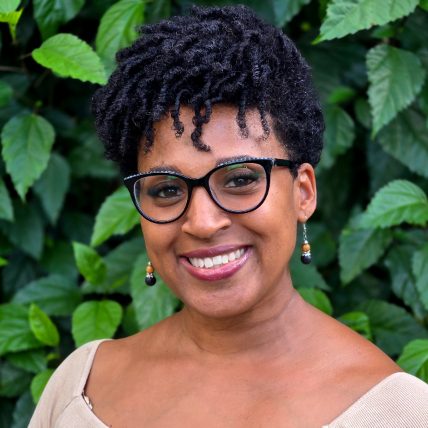
In 2003 I received a Master’s degree in Forensic Psychology in New York. Since 2022 I’ve trained with the Beck Institute for Cognitive Behavior Therapy, across their programs in anxiety, depression, and trauma. I take additional training with them every year to stay current.
I’ve also studied Polyvagal Theory and am a provider of the Safe and Sound Protocol (SSP) and the Rest and Restore Protocol (RRP), the protocols behind our Nervous System Reboot program.
For a few years after learning the truth, I struggled to find work in this field that didn’t conflict with my conscience. Now, focusing entirely on my brothers and sisters means I never have to support thinking or habits that go against it, which is a massive relief.
I’m thrilled to offer practical help to the people I care about most. CBT lines up naturally with how we as Jehovah’s Witnesses understand the connection between our thinking and our wellbeing, and I’ve seen it make a real difference for people again and again.
Rochelle McCleign
Coach

I’m a Mended Mind coach, trained in CBT and polyvagal-informed techniques. I’ve been coaching with Mended Mind since March 2024. My family and I live in California.
As the weight of this system keeps increasing, I’ve been searching for ways to strengthen myself and my family. Having found Mended Mind and benefited from these methods myself, I’m honored to now share them with you.
Amber Williams
Coach
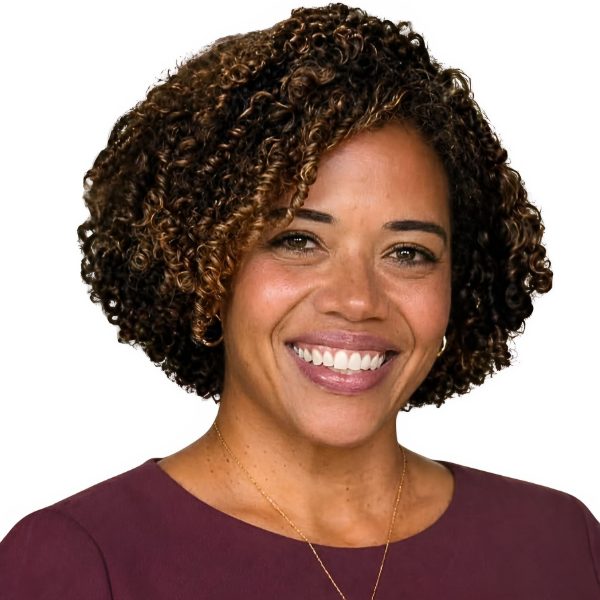
I’m a Mended Mind coach, trained in CBT and polyvagal-informed techniques. My husband, two daughters, and I live in California after having lived across the U.S.
Before coaching, I spent three years as a firefighter with Cal Fire and later worked as a hospice caretaker. Both taught me to stay steady with people on the hardest days of their lives.
I was a client here myself, and the experience was so beneficial to my own healing, and my family’s, that I now advocate for these somatic and CBT approaches whenever I can.
Jonathan Maes
Coach & Operations
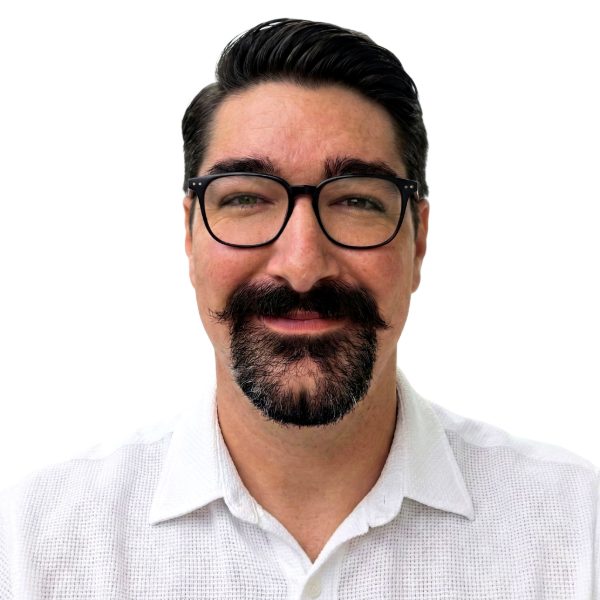
I’m Deseree’s husband, and I handle our digital media, tech support, and anything else that’s needed. I’m probably the first person you’ll hear from, and you’ll see me in our video resources.
I’m also a Mended Mind coach, trained in CBT and polyvagal-informed techniques.
I’m Canadian, currently serving in Costa Rica with my wife and three daughters. It’s a real blessing to help others improve their mental health, and I’m happy to answer any questions about our services.
Raquel Doldol
Administrative Assistant

I’m the administrative assistant for Mended Mind Coaching, based in the Philippines. I’ve worked in the sign language field since 2006.
Mental health matters deeply to me, and I’m glad to help my brothers and sisters on their own unique journeys.
How We Work
Deseree built our program out of the parts of her own training that actually mattered.
A master’s degree is mostly theory. The practical training arrives near the end, and it’s aimed at clinical work: diagnosis, and everything that follows from it.
What she wanted for our coaches was different: the theory that matters for this specific program, and a great deal of practice at actually doing the work.
She sought that out for herself, paying professionals to observe her and teach her the craft. Then she built what she learned into the program our coaches go through.
Every coach here is trained and mentored by Deseree, and that mentorship doesn’t end. It continues for as long as they coach with us.
None of us is a licensed therapist. We’re mental health coaches, and we’re clear about that distinction because it matters, and because it means we’re honest about where our help fits.
Your sessions stay private. Nothing you say is recorded, and your coach doesn’t share your information with the rest of the team.
Working Alongside Other Support
Coaching isn’t the only kind of help there is, and it doesn’t have to be the only one you’re getting. Some people benefit from talking to their doctor or a psychiatrist about medication, or from other specialized support.
When we think that’s worth exploring, we say so, and we help you work out how to have that conversation. That’s often the step that’s hardest to take on your own.
Either way, we keep working with you.
Ready to take the next step?
Still have questions? Read our FAQs.